



















A Severe Angular Injury to the Spine - Damaged Spinal Support Ligaments
Description
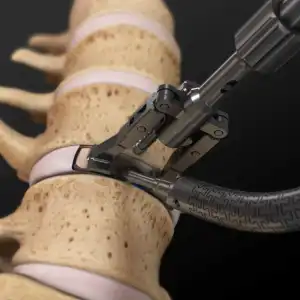
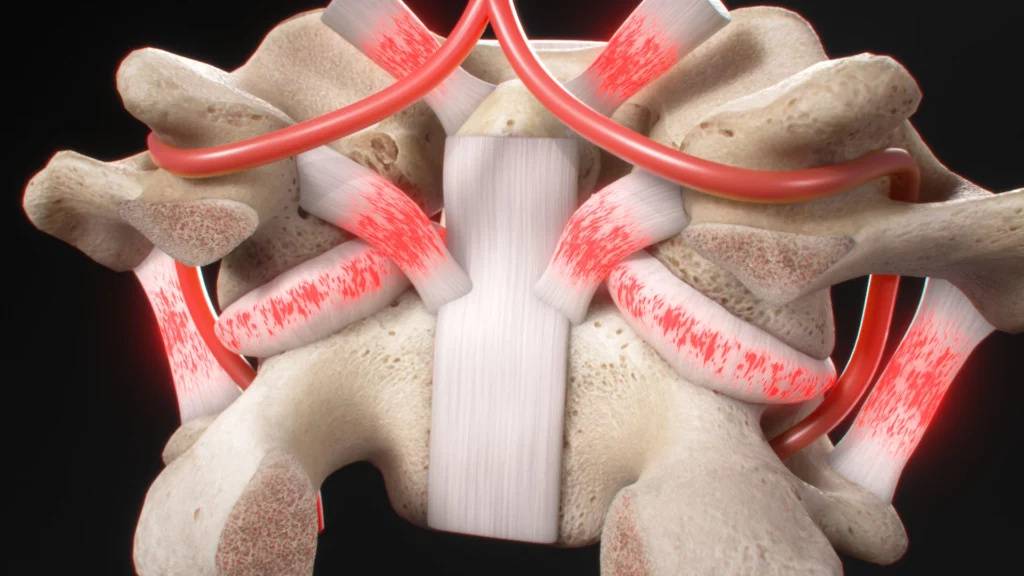
A thought-provoking image showcasing a severe angular injury to the spine. This illustration, created for Spinal Kinetics, offers valuable insights into the consequences of such injuries and highlights the importance of spinal support ligament analysis. In this blog post, we will delve into the details of this medical illustration and explore the implications it holds for patients experiencing spinal angular injuries.
Unveiling the Angular Injury
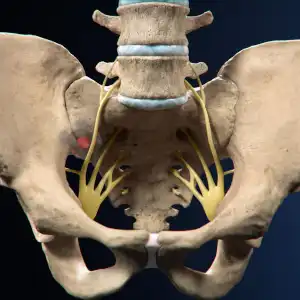
What we’re presented with in this illustration is a spine subjected to an angular motion that exceeds its normal limits. The result is a severe angular injury, which poses significant challenges for the affected individual. When the spine experiences this excessive angulation, the spinal support ligaments, responsible for maintaining stability, become damaged. This damage leads to swelling within the nerve, even in the absence of disc herniation.
The Role of Spinal Support Ligaments
The spinal support ligaments play a crucial role in maintaining the structural integrity of the spine. However, when they are damaged, their ability to provide support is compromised. The illustration vividly demonstrates the significant damage sustained by the non-disc spinal support ligaments. This damage contributes to their swelling, which, in turn, exerts pressure on the surrounding nerves. Consequently, patients may experience a range of symptoms resulting from nerve compression and spinal instability.
Understanding the Impact of Disc Herniation
While spinal support ligament damage can occur independently of disc herniation, the presence of a herniated disc can further complicate the situation. Disc herniation refers to the displacement of the intervertebral disc from its normal position. In cases where disc herniation accompanies severe damage to spinal support ligaments, excessive translation occurs. The illustration aptly showcases the pronounced damage to the spinal support ligaments in these scenarios. It is worth noting that severe damage to spinal support ligaments is rare without concurrent disc herniation.
Analyzing the Cranial Junction
Moving beyond the lower spine, the cranial junction serves as a critical area for analysis. Unlike the involvement of discs in other areas of the spine, the cranial junction primarily relies on spinal support ligament analysis. Specialized stress X-rays offer valuable insights into abnormal translation occurring in the upper cervical spine.The damaged tissues surrounding the cranial junction cause swelling, leading to nerve compression. The resulting spinal instability can manifest in a myriad of symptoms for the affected individual.
The Importance of Spinal Support Ligament Analysis
The medical illustration provided by Ghost Medical highlights the significance of spinal support ligament analysis in diagnosing and understanding spinal angular injuries. By evaluating X-ray images, medical professionals can identify abnormal translations and assess the extent of ligament damage. Early detection and accurate diagnosis are vital in guiding appropriate treatment plans and minimizing the potential complications arising from spinal instability.
Conclusion
Ghost Medical’s collaboration with Spinal Kinetics has yielded an insightful medical illustration that sheds light on the consequences of severe angular injuries to the spine. Through this illustration, we have explored the impact of damaged spinal support ligaments, both in the presence and absence of disc herniation. We have also examined the significance of spinal support ligament analysis, particularly in the cranial junction, where specialized stress X-rays are crucial in identifying abnormal translations. By understanding the implications of these injuries, medical professionals can provide effective care and alleviate the myriad of symptoms associated with spinal instability.
Specialty: Orthopedic, Patient Education, Spine · Content type: Medical Illustration · Produced by: Ghost Medical — Medical Illustration
Client

Spinal Kinetics
Share this content:
Disclaimer
The medical visualizations showcased by Ghost Medical are intended solely to demonstrate our portfolio work and are not intended to be labeled as reliable FDA claims in the healthcare market. Surgeons and healthcare professionals should exercise caution and conduct their own research before relying solely on the information presented in the visualizations. Please be aware that while our work strive to accurately represent medical concepts and technologies, they may not always reflect the current state of the medical industry.
Bibliography
Bibliography
Post Type
Blog
Page Name
A Severe Angular Injury to the Spine – Spinal Kinetics
Author
Ghost Productions, Inc.
Publisher
Ghost Productions, Inc.
Date Published
Jul 11, 2023
Citation Styles
AMA Style
Ghost Productions, Inc. A Severe Angular Injury to the Spine – Spinal Kinetics [Blog]. Ghost Productions, Inc. Published Jul 11, 2023. Available at https://ghostmedical.com/image/a-severe-angular-injury-to-the-spine/
APA Style
Ghost Productions, Inc. (Jul 11, 2023). A Severe Angular Injury to the Spine – Spinal Kinetics [Blog]. Ghost Productions, Inc. Retrieved from https://ghostmedical.com/image/a-severe-angular-injury-to-the-spine/
MLA Style
Ghost Productions, Inc. “A Severe Angular Injury to the Spine – Spinal Kinetics.” Ghost Productions, Inc., Jul 11, 2023, https://ghostmedical.com/image/a-severe-angular-injury-to-the-spine/. [Blog]