













Aortic Access in Ischemic Stroke Treatment
Description
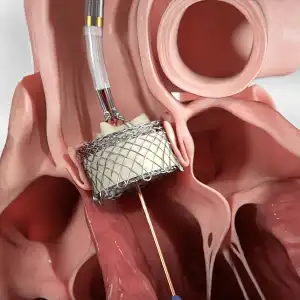
Ischemic stroke treatment, particularly mechanical thrombectomy, often involves critical techniques that utilize a catheter passed through the aorta. This approach is essential in cases where a large artery in the brain is blocked, as it aims to restore blood flow swiftly and minimize brain damage.
Steps in Ischemic Stroke Treatment Using Aortic Access
Accessing the Aorta
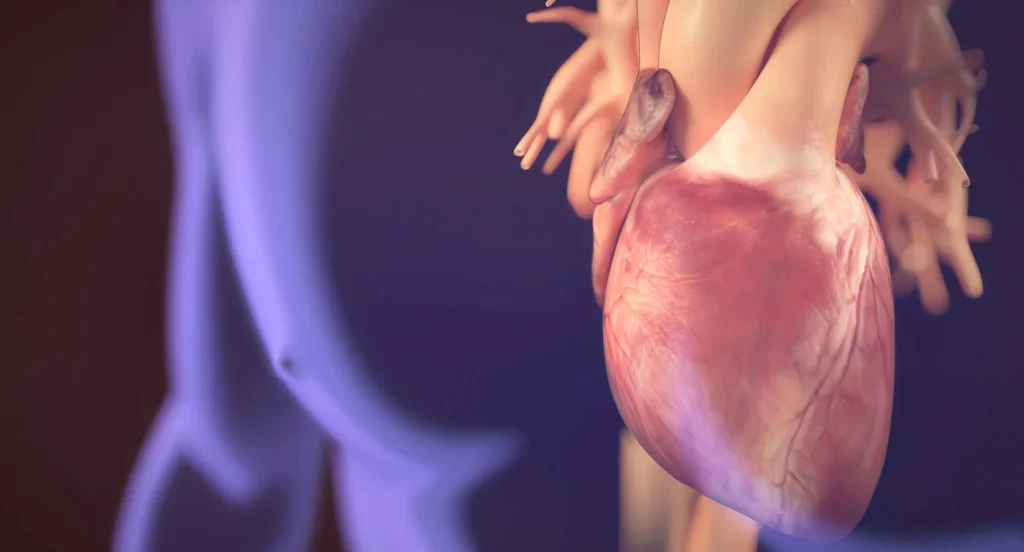
The process begins with the insertion of a catheter into a large artery, typically the femoral artery in the groin. This femoral access allows the catheter to be navigated through the body toward the aorta, the main artery that carries blood from the heart to the rest of the body. The precise navigation through the aorta is vital for the success of ischemic stroke treatment.
Navigating to the Cerebral Arteries
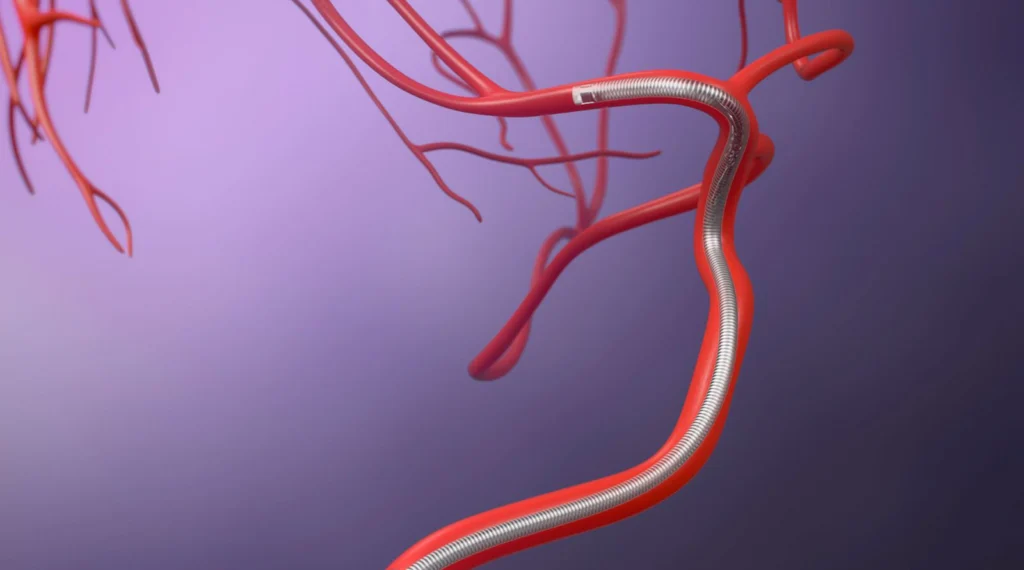
Once the catheter reaches the aorta, it is carefully guided into one of the large arteries that supply blood to the brain, often through the carotid artery. This delicate step in ischemic stroke treatment requires accuracy to avoid damaging blood vessels and to ensure the catheter reaches the blockage site.
Thrombectomy or Clot Retrieval
After positioning the catheter at the blockage site, devices such as stent retrievers or aspiration catheters are used to remove or dissolve the clot. These devices are essential in ischemic stroke treatment, as they help restore blood flow by removing the obstruction.
Restoration of Blood Flow
The successful removal of the clot is critical in ischemic stroke treatment, as it restores blood flow to the affected brain area. Timely intervention is crucial to prevent irreversible brain damage caused by prolonged oxygen deprivation.
Importance of the Aorta in Ischemic Stroke Treatment
The aorta plays a central role in the catheterization process during ischemic stroke treatment. Its importance lies in providing a pathway for the catheter to reach the brain’s arteries. However, this process must be executed with great care to avoid complications such as:
Risk of Complications
There is a risk of dislodging atherosclerotic plaques or causing damage to the aortic wall, leading to potential complications like aortic dissection or embolization of debris to other organs.
Precision and Speed
The catheter’s maneuvering requires precision and speed to minimize the time the brain is deprived of blood flow, a crucial factor in the effectiveness of ischemic stroke treatment.
Advancements and Challenges in Ischemic Stroke Treatment
Technological advancements in imaging and catheter design have significantly improved the safety and efficacy of ischemic stroke treatment. However, challenges remain, particularly in navigating the aortic arch in patients with complex vascular anatomy or severe atherosclerosis. These challenges underscore the importance of ongoing innovation in ischemic stroke treatment methods.
Post-Procedure Considerations in Ischemic Stroke Treatment
After the ischemic stroke treatment, patients are closely monitored for any signs of complications, such as re-occlusion of the treated artery or bleeding. To reduce the risk of further clots forming, antiplatelet or anticoagulant therapy may be prescribed.
In conclusion, aortic access is a critical component of ischemic stroke treatment, especially in mechanical thrombectomy. The precise passage of a catheter through the aorta enables effective clot retrieval, making it a cornerstone of modern ischemic stroke treatment.
Specialty: Cardiology, Hematology, Patient Education · Content type: Medical Illustration · Produced by: Ghost Medical — Medical Illustration
Client

Imperative Care
Share this content:
Disclaimer
The medical visualizations showcased by Ghost Medical are intended solely to demonstrate our portfolio work and are not intended to be labeled as reliable FDA claims in the healthcare market. Surgeons and healthcare professionals should exercise caution and conduct their own research before relying solely on the information presented in the visualizations. Please be aware that while our work strive to accurately represent medical concepts and technologies, they may not always reflect the current state of the medical industry.
Bibliography
Bibliography
Post Type
Blog
Page Name
Ischemic Stroke Treatment Involving Aortic Access
Author
Ghost Productions, Inc.
Publisher
Ghost Productions, Inc.
Date Published
Aug 29, 2024
Citation Styles
AMA Style
Ghost Productions, Inc. Ischemic Stroke Treatment Involving Aortic Access [Blog]. Ghost Productions, Inc. Published Aug 29, 2024. Available at https://ghostmedical.com/image/ischemic-stroke-treatment/
APA Style
Ghost Productions, Inc. (Aug 29, 2024). Ischemic Stroke Treatment Involving Aortic Access [Blog]. Ghost Productions, Inc. Retrieved from https://ghostmedical.com/image/ischemic-stroke-treatment/
MLA Style
Ghost Productions, Inc. “Ischemic Stroke Treatment Involving Aortic Access.” Ghost Productions, Inc., Aug 29, 2024, https://ghostmedical.com/image/ischemic-stroke-treatment/. [Blog]