









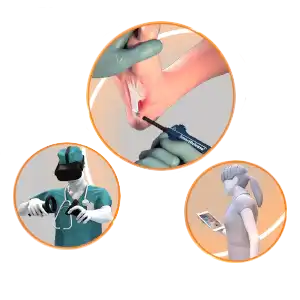
Pulsante Micro-Neurostimulation Implant – Realeve
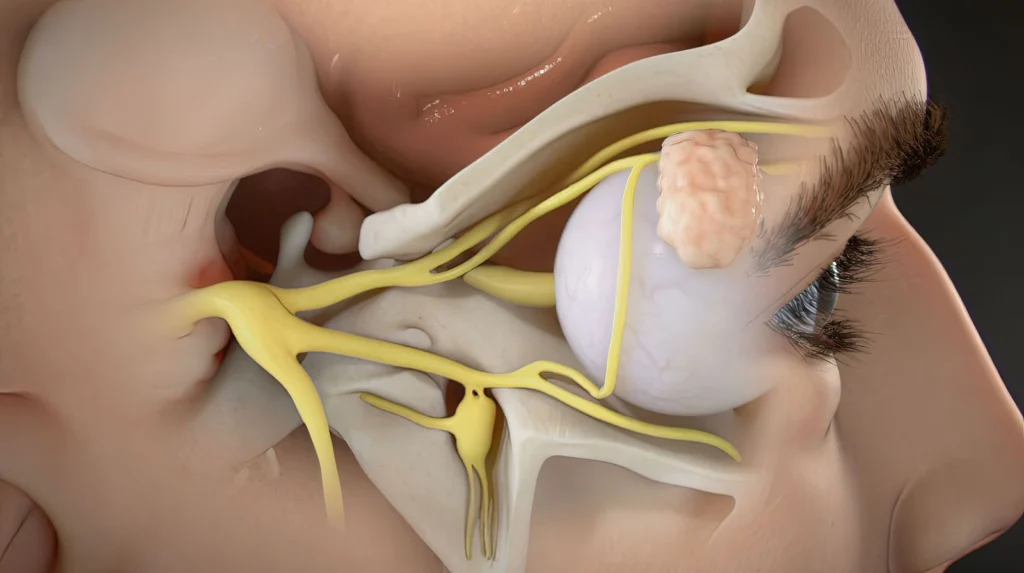
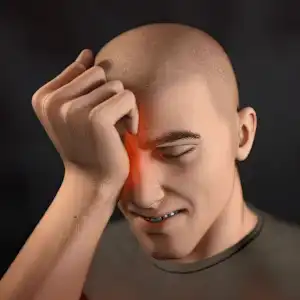
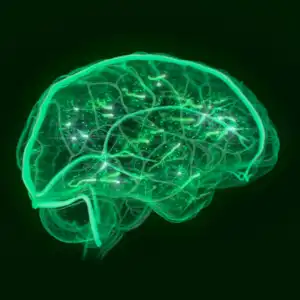
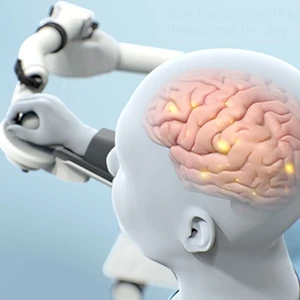
The Pulsante micro-neurostimulator system stands as a beacon of hope in the realm of CNS disorder treatment. With its externally powered, implantable design, and its remarkable success in treating cluster headaches, Pulsante offers a glimpse into a future where innovative technologies reshape the landscape of healthcare.
Women Urinary Incontinence Treatment Options
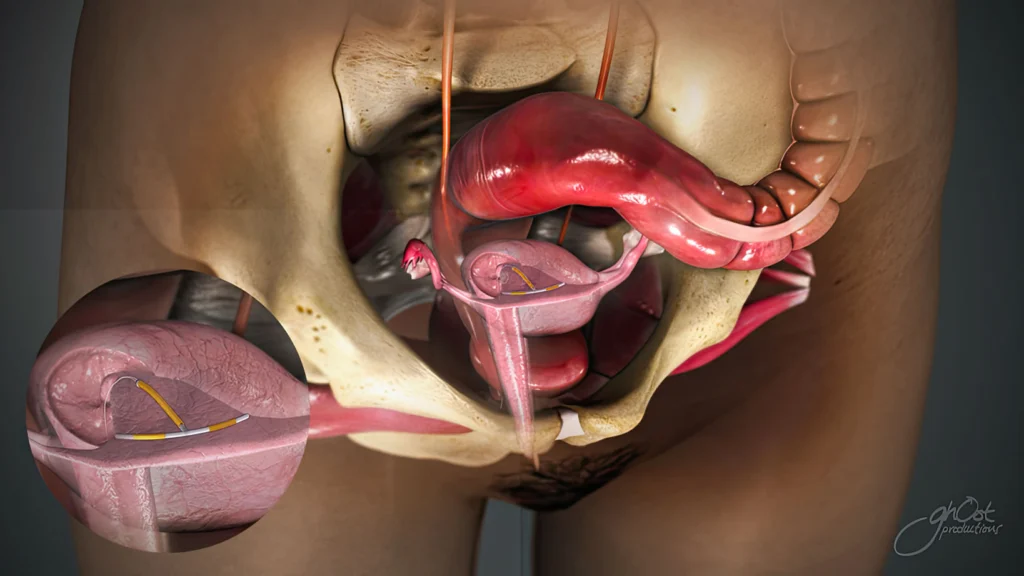
By understanding the different treatment options available for Urinary incontinence, from lifestyle changes and medical interventions to surgical procedures, women can take charge of their health and well-being.
Cluster Headaches: A Glimpse into Innovative Solutions
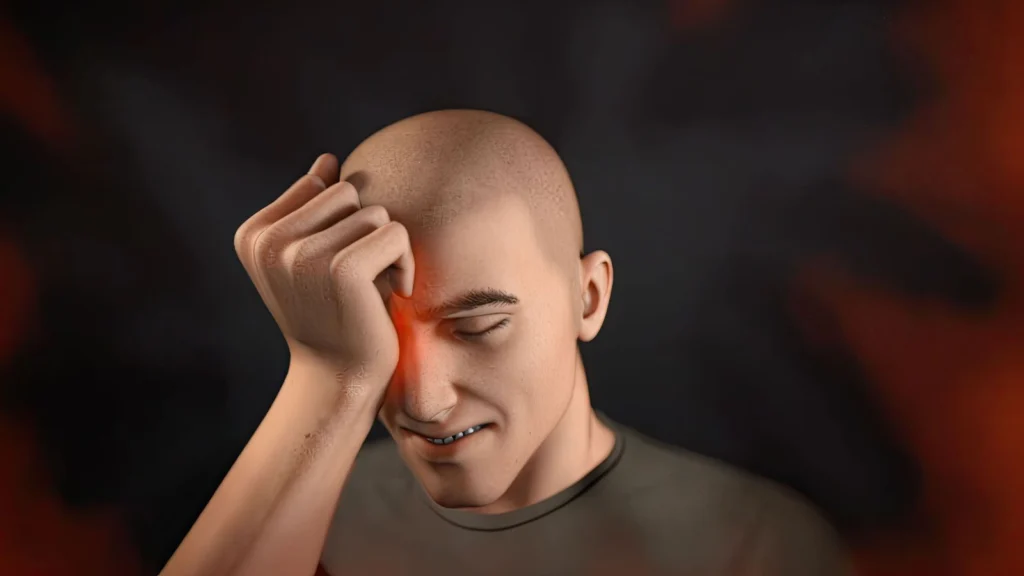
Cluster headaches may cast a shadow of suffering, but with innovative solutions like the Pulsante micro-neurostimulator system, there’s a newfound glimmer of hope on the horizon.
AMS 700™ Penile Implant for Erectile Dysfunction
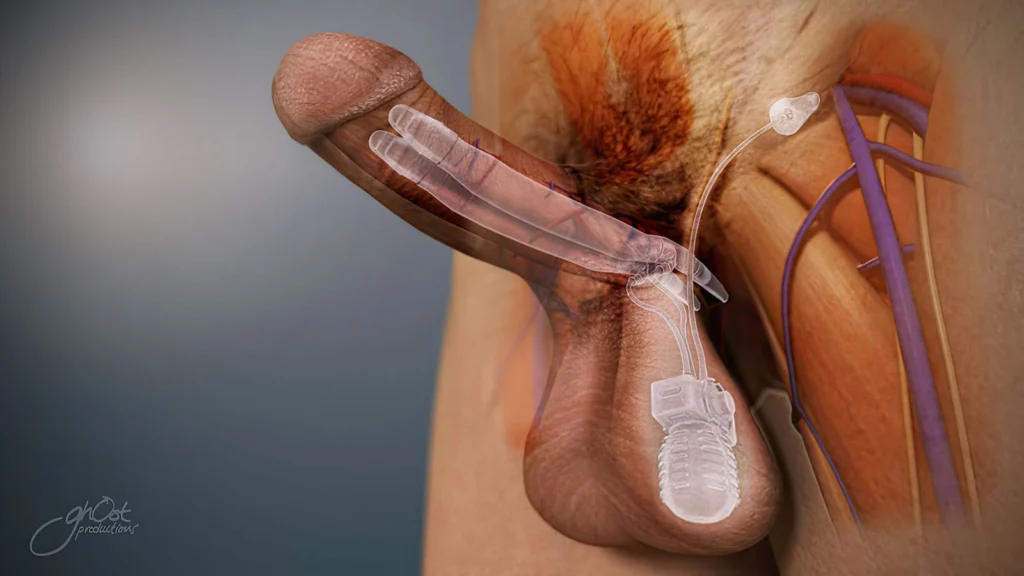
The AMS 700™ Penile Implant is a medical device designed to provide a viable solution for individuals with severe and irreversible ED.
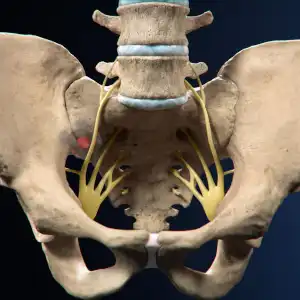
Understanding Pain from Lumbar Degenerative Disc Disease
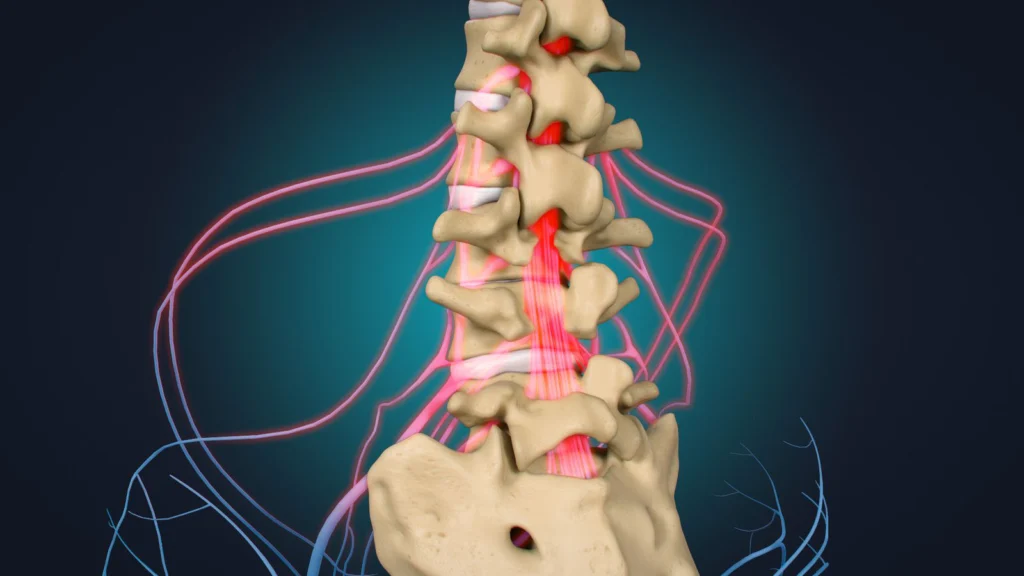
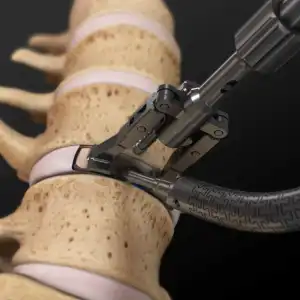
Ghost Medical created a medical illustration for Neo Medical that explores the causes, symptoms, and available treatment options for Lumbar Degenerative Disc Disease.
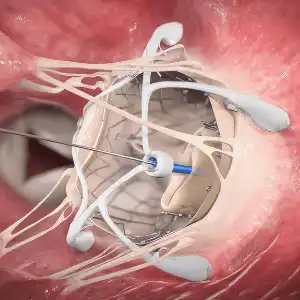
Paradise Renal Denervation System – Recor Medical
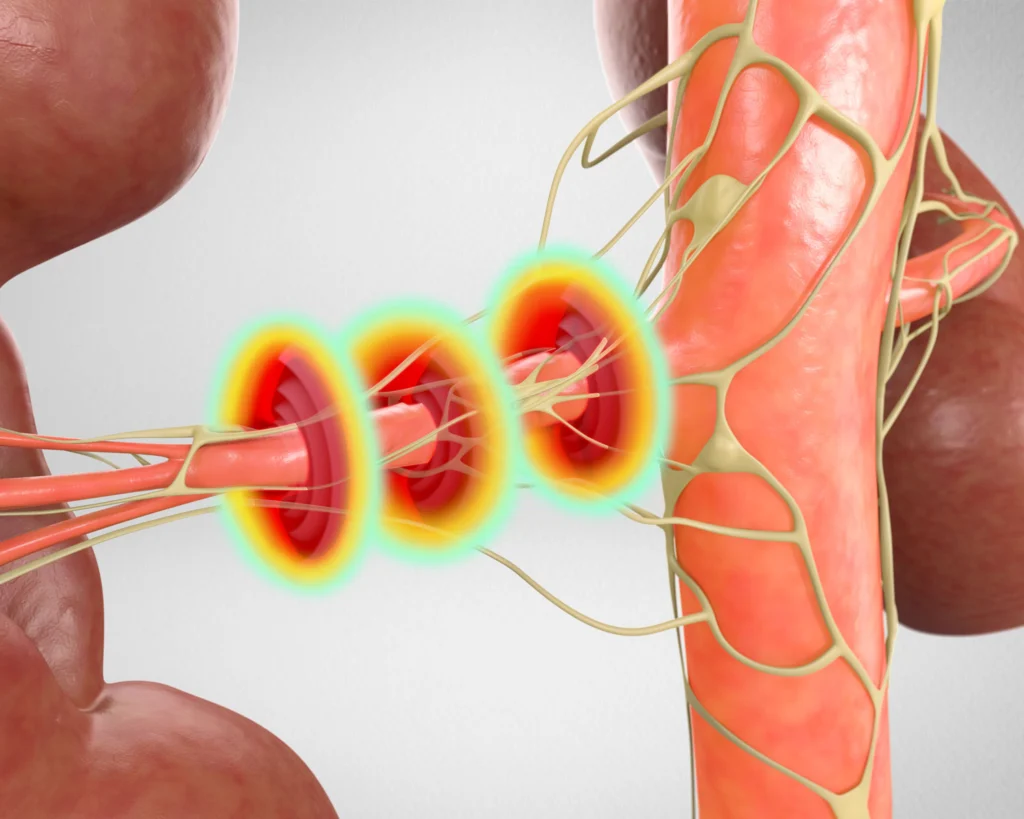
Recor Medical’s Paradise Renal Denervation System is a revolutionary non-focused ultrasound system designed for this purpose. Through their expertise, Ghost Medical has masterfully translated this cutting-edge technology into a visually stunning medical illustration, encapsulating the essence of the procedure.
Uromedica ProACT™
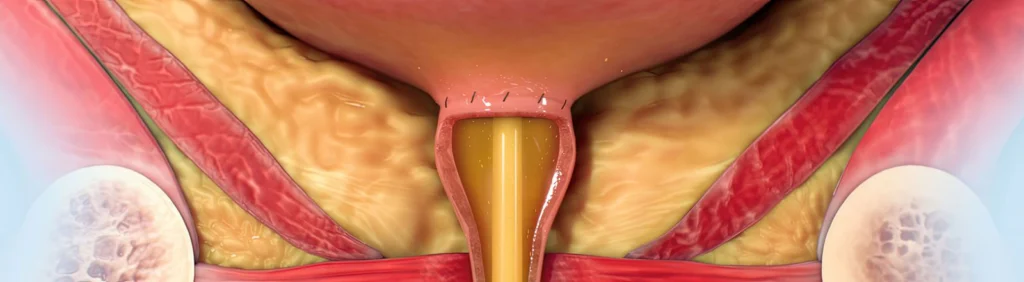
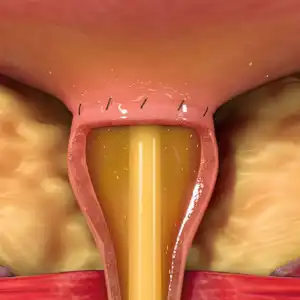
Uromedica ProACT™: Adjustable Continence Therapy for Men. This surgical implant helps patients who suffer from urinary incontinence to live fuller lives. Urinary incontinence can result from many causes. Physiological causes can be classified as either bladder dysfunction or urethral sphincter incompetence and may include detrusor overactivity, poor bladder compliance, intrinsic sphincter deficiency, or urethral hypermobility. Non-urologic causes may include bacterial infection, medication side-effects, psychological factors, polyuria, stool impaction, urtehreal trauma and restricted mobility. The causes leading to urinary incontinence are usually specific to each sex even though some causes are common to both male and female anatomy.
Urology Medical Illustration
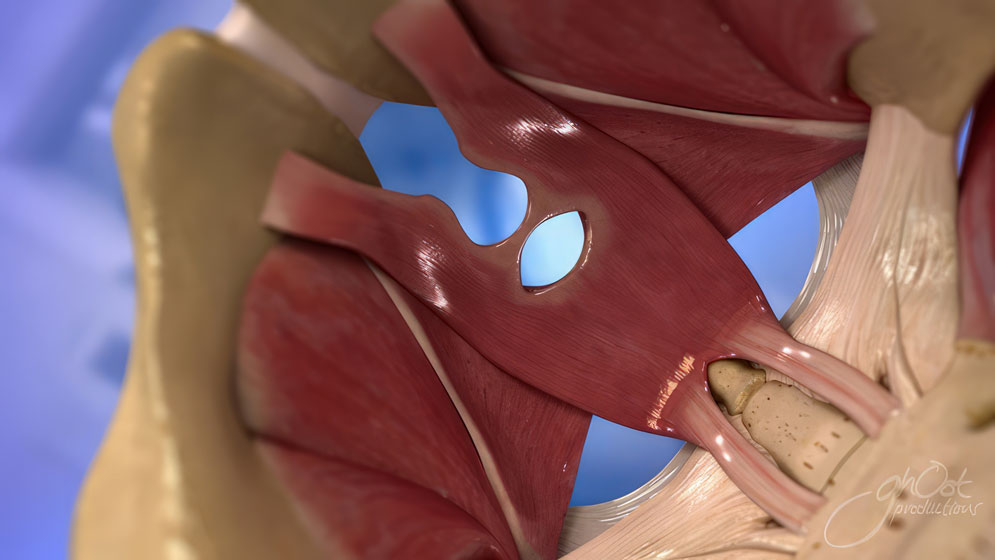
Precision in Practice: A Comprehensive Urology Medical Diagram for Accurate Diagnosis
MINOP® InVent Brain Tumor and Cyst Resection
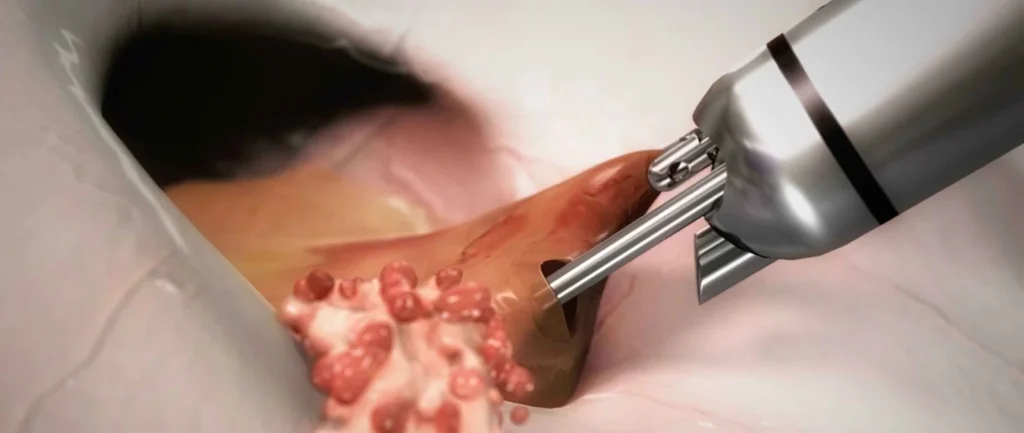
Detailed medical illustration of the MINOP® InVent Neuroendoscopic System, designed for precise tumor and cyst resection in the brain. Featuring bi-manual capabilities, optimized optics, and compatibility with angled instruments, it sets a new standard for minimally invasive neurosurgery.
