








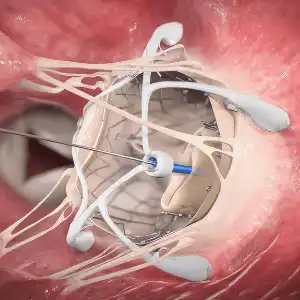
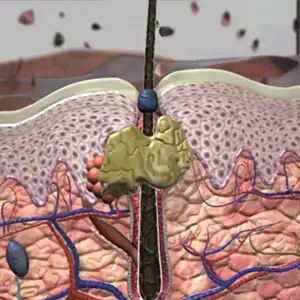


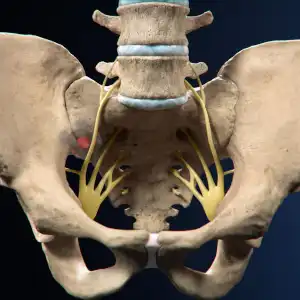

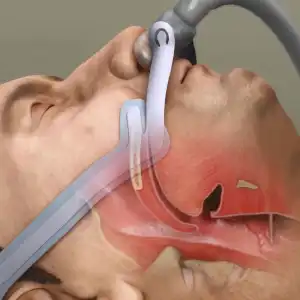
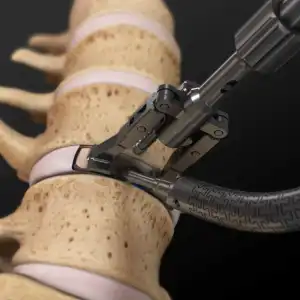



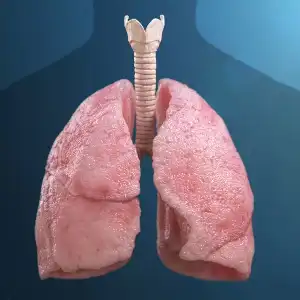

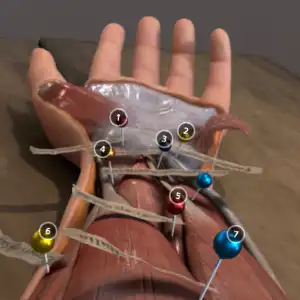
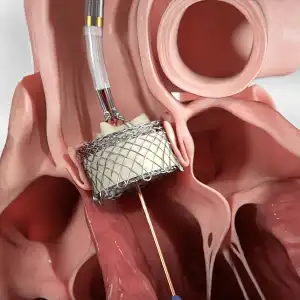


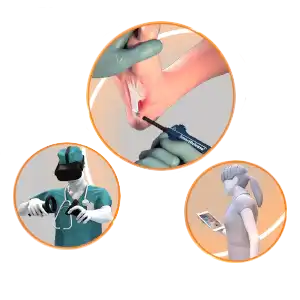

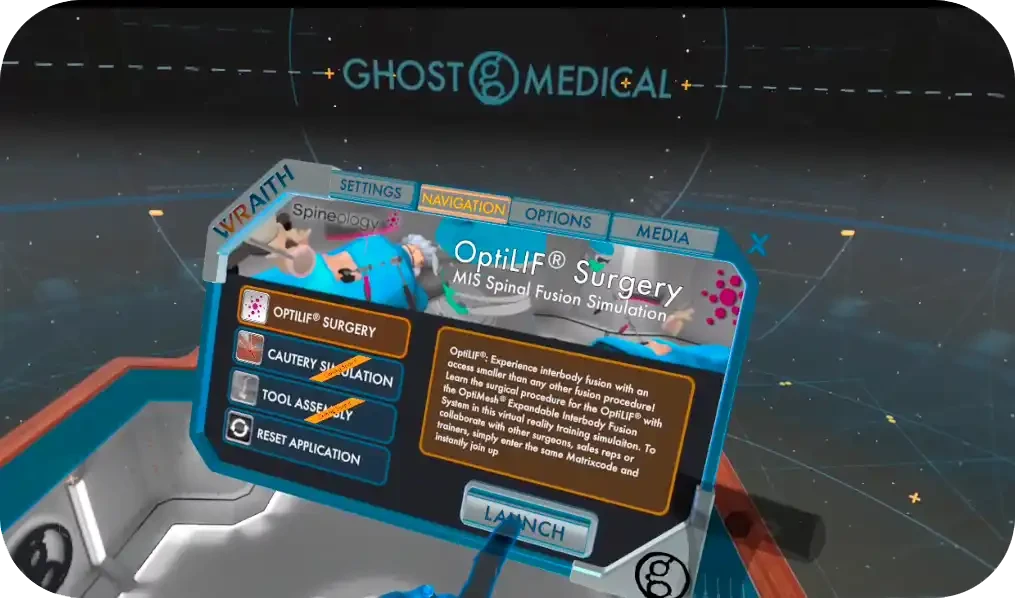
With a uniquely interactive visual experience, our VR surgery training applications are custom made to simulate your surgical devices. Our goal is to create fully immersive medical VR content and feature-rich surgical simulations that allow you to demonstrate surgical tools, medical devices, and teach surgical procedures.
What is VR Surgery?
Virtual Reality (VR) surgery is the use of virtual reality technology in surgical procedures. It combines computer-generated three-dimensional environments with real-time tracking and imaging technologies to create an immersive experience for surgeons. By wearing a VR headset, surgeons can visualize patient anatomy, interact with virtual tools, and perform simulated surgeries in a virtual environment.
The History of VR Surgery
The history of VR surgery can be traced back to the development of virtual reality technology itself. The concept of VR emerged in the 1960s, but it was not until the 1990s that significant advancements were made in the field. As VR technology improved, its potential for medical applications began to be explored.
Early 2000's
In the early 2000s, VR surgery gained traction as a promising tool for surgical training and planning. Surgeons recognized the benefits of using VR to simulate surgical procedures, allowing them to practice complex surgeries without putting patients at risk. Simulators were developed to provide realistic haptic feedback, enabling surgeons to refine their skills in a safe and controlled environment.
As technology continued to advance, VR surgery expanded beyond training and started to be used in actual surgical procedures. Surgeons began to use VR for preoperative planning, allowing them to visualize patient-specific anatomy and practice surgical techniques in a virtual setting. This approach offered a greater understanding of the patient’s condition and improved surgical precision.
VR Surgery Today
In recent years, VR surgery has evolved further with the integration of other technologies such as robotics and real-time imaging. Robotic-assisted surgeries, combined with VR visualization, provide enhanced precision and dexterity for complex procedures. Real-time imaging techniques like MRI or CT scans can be integrated into the VR environment, allowing surgeons to have a comprehensive view of the patient’s anatomy during the operation.
VR Surgery Videos
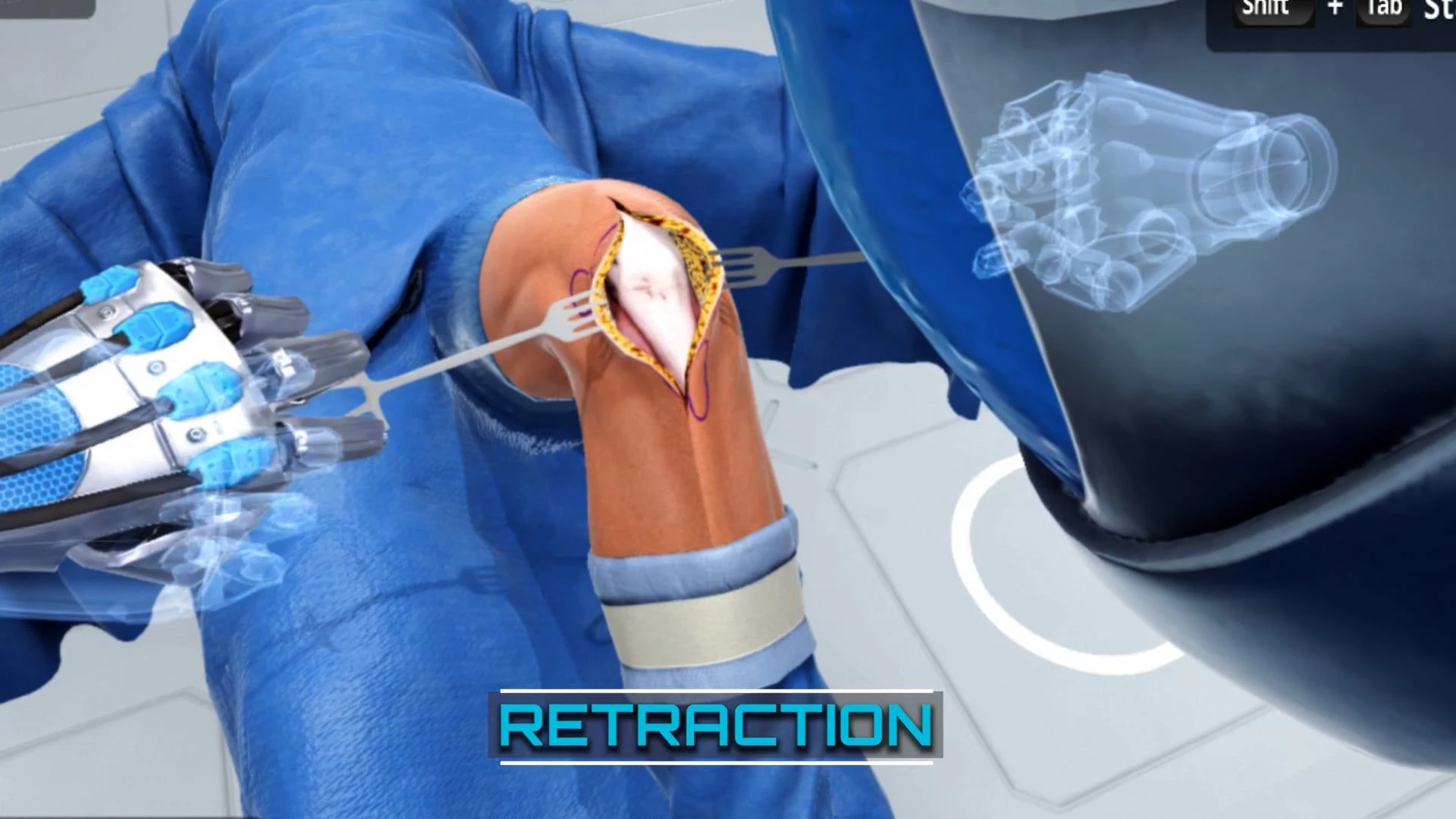
VR Surgery Simulator
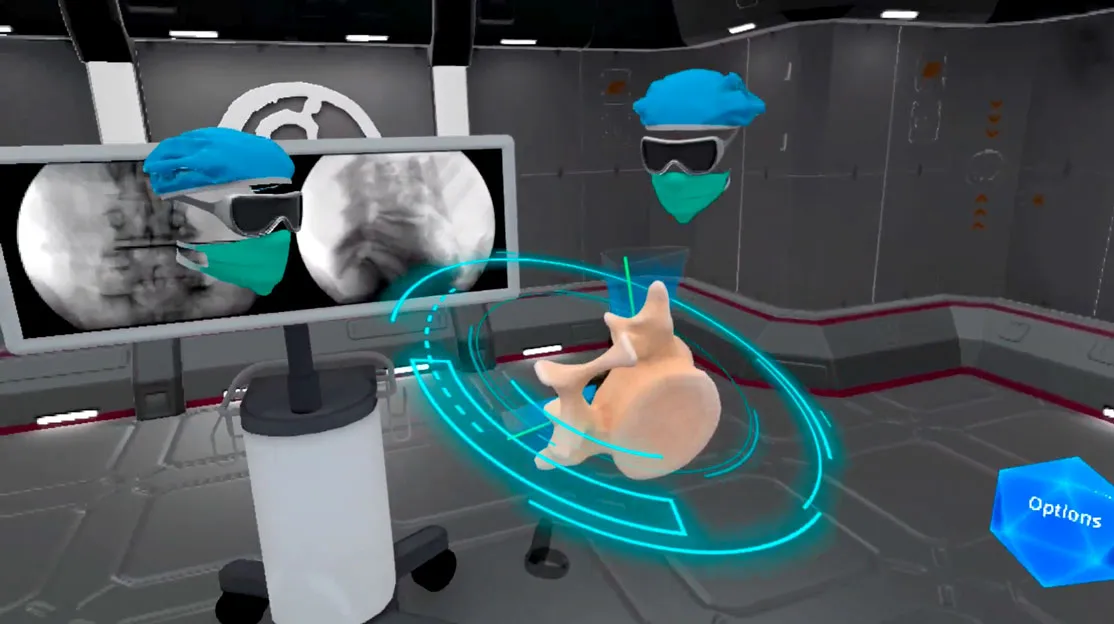
Ghost VRSE II for Quest 2
Download the newest version of our multiuser surgical simulator for Quest 2. Made using Wraith-VR.
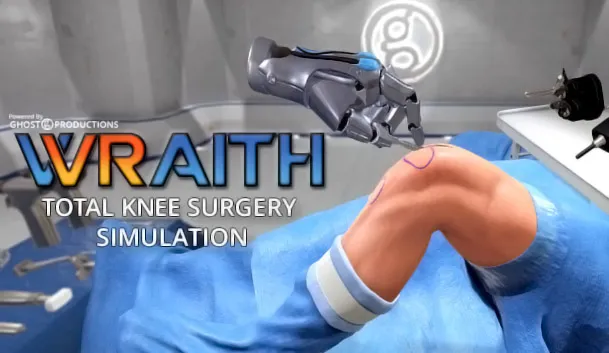
Wraith-VR Total Knee for PCVR
Download Total Knee Replacement Surgery Simulation for PCVR.
Benefits of VR Surgery
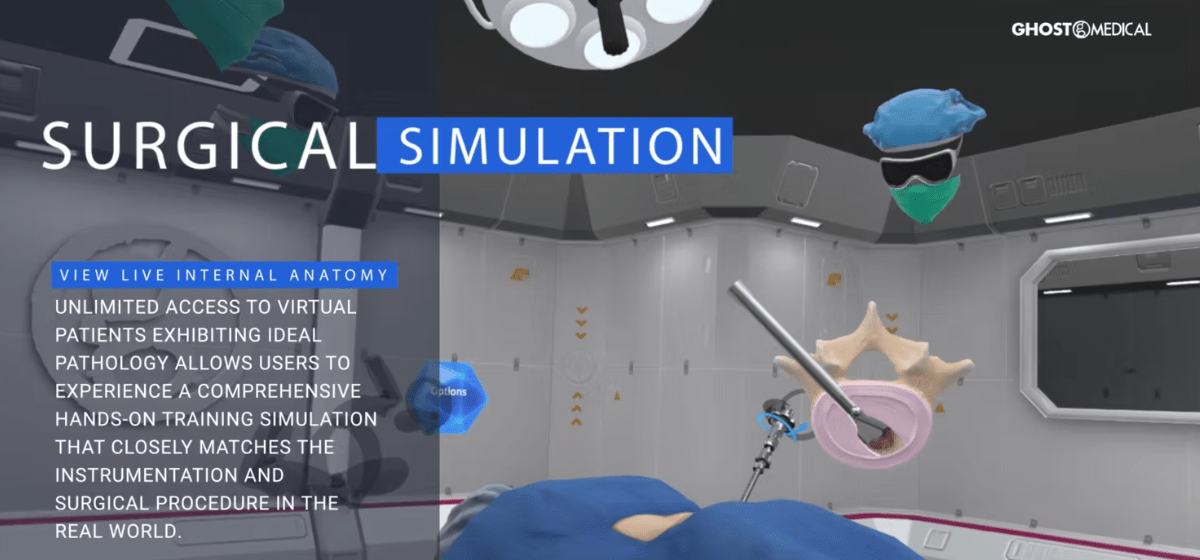
VR surgery enables medical professionals to hone their skills in a safe environment, helping them refine their techniques for real life surgeries. VR surgical simulation can reduce the number of errors that could be fatal to patients, putting them at ease and saving lives.
Surgeons
Surgeons can use medical VR Surgery simulation to test new devices and technology in a risk-free environment. Physicians, and the entire surgical support staff are free to build knowledge about new procedures and practice their skills.
Sales Representatives
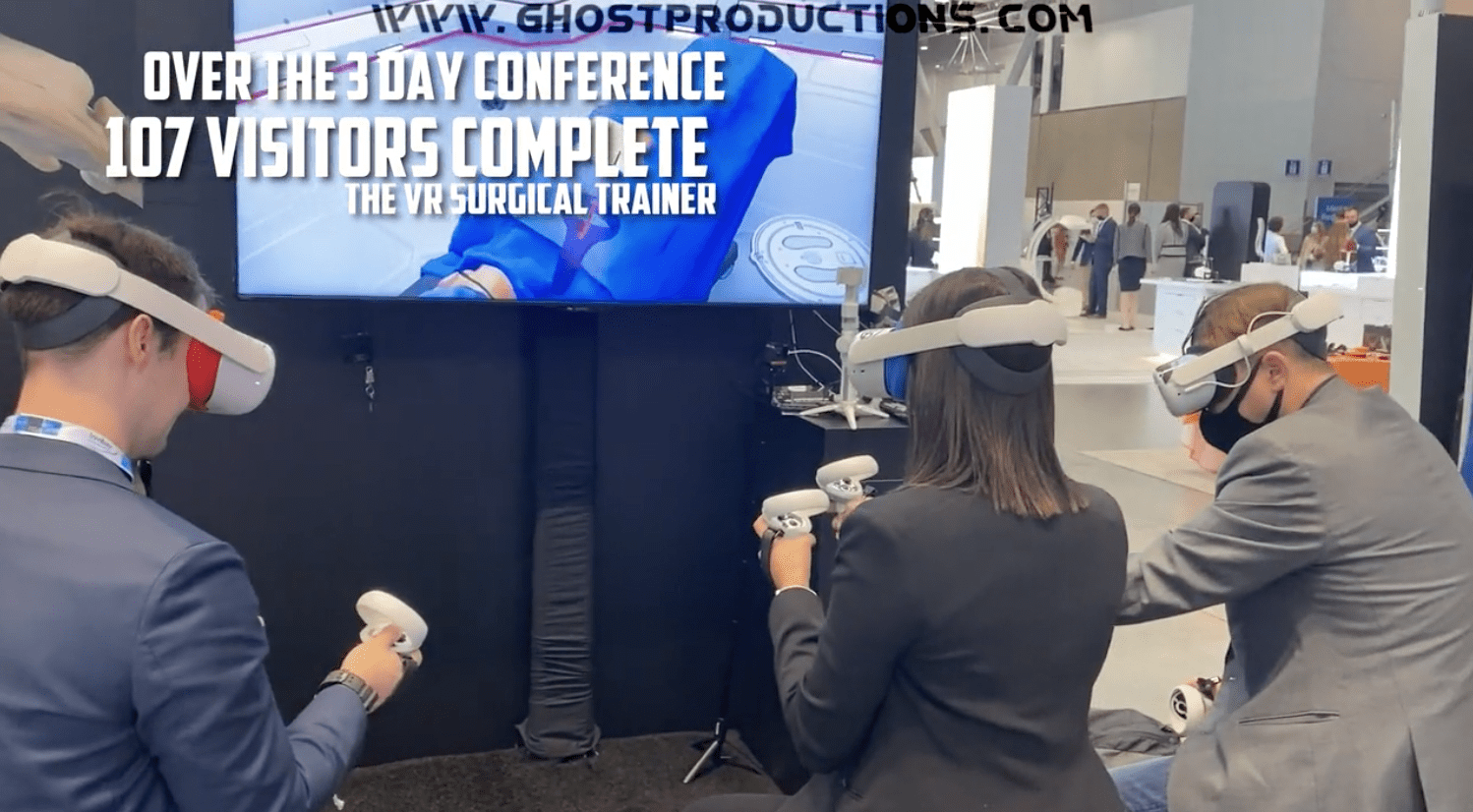
Virtual reality can be used to give customers a realistic hands-on experience with medical device products. VR surgery simulators can be deployed in kiosks for on-site demonstrations, or mailed out in the form of headsets that clients can use remotely.
Patients
Medical training has long been in need of technological innovation. VR surgery is a step forward, combining the best technology and knowledgeable medical professionals along with improved surgical equipment. The results are a more accurate, precise procedure that helps improve the lives of patients.
Cost Comparison of WRAITH VR Surgical Training VS. Traditional Surgical Training
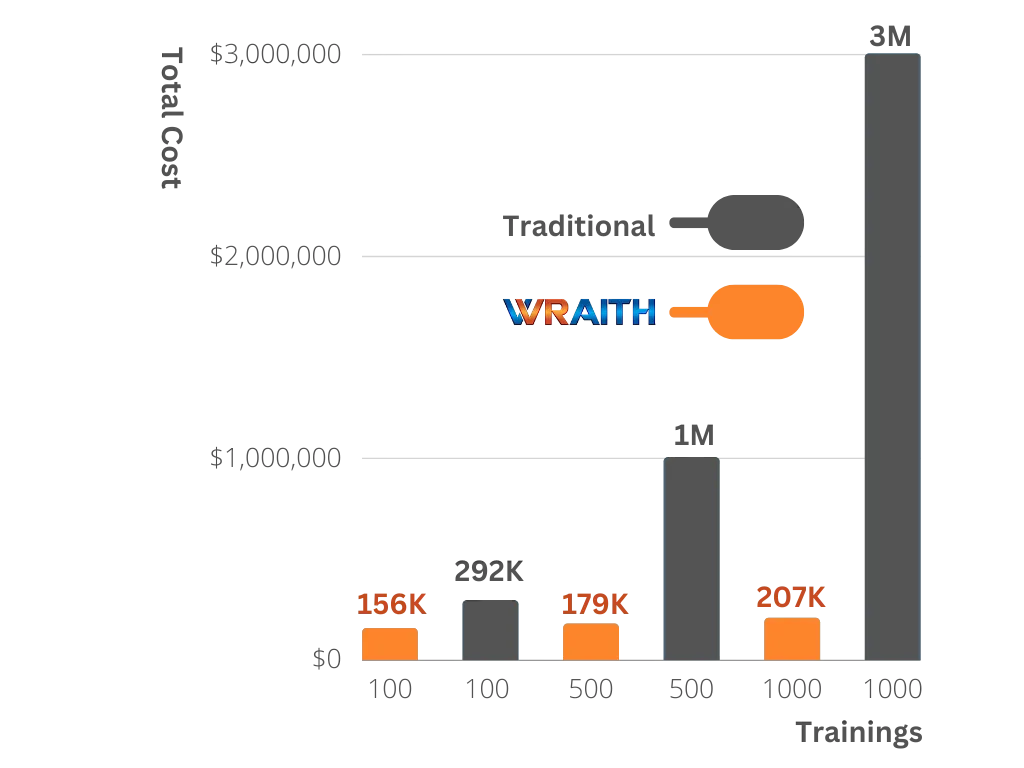
Ghost Medical Created WRAITH-VR to Revolutionize Medical Training
Wraith-VR Surgical Simulation is a revolutionary way of training and practicing surgical procedures with no risk involved. Wraith-VR allows you to simulate virtually any surgery from start to finish, in real-time, and allows you to take the next step in medical education.
Reduce Sales Cost, and Increase your Sales Pipeline
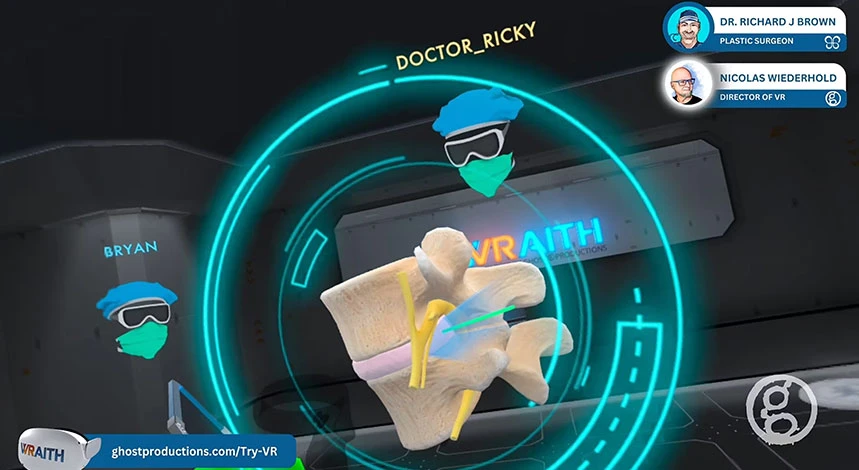
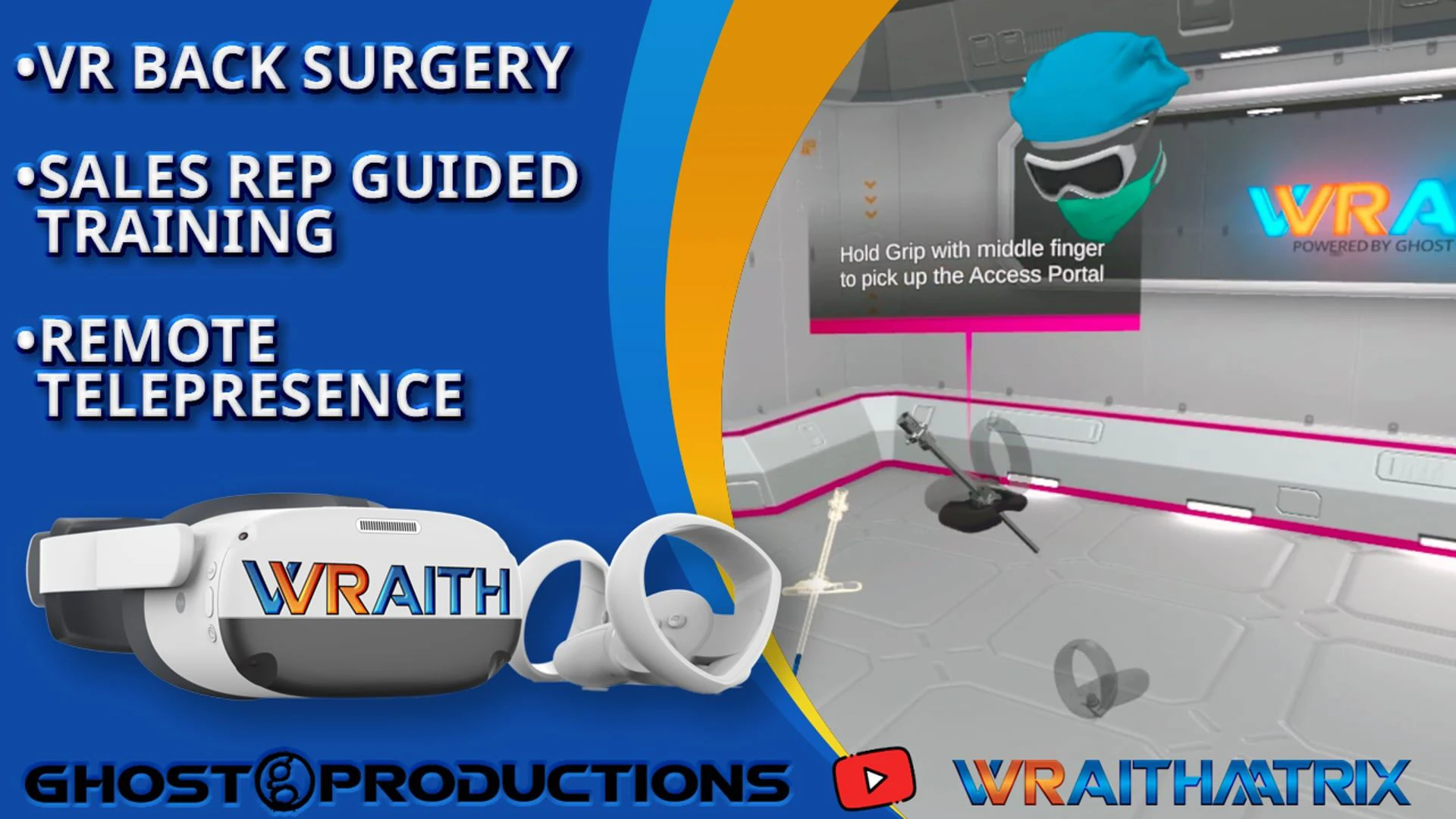
Watch this video of a sales rep in Boston teaching a surgeon in Minneapolis how to perform a minimally invasive spinal surgery from 1500 miles away. This is actual Wraithmatrix footage recorded in headset. The experience leverages eye tracking technology to emulate how an actual user would navigate through the VR world by allowing them to select and interact with objects simply by looking around.
VR Surgery News
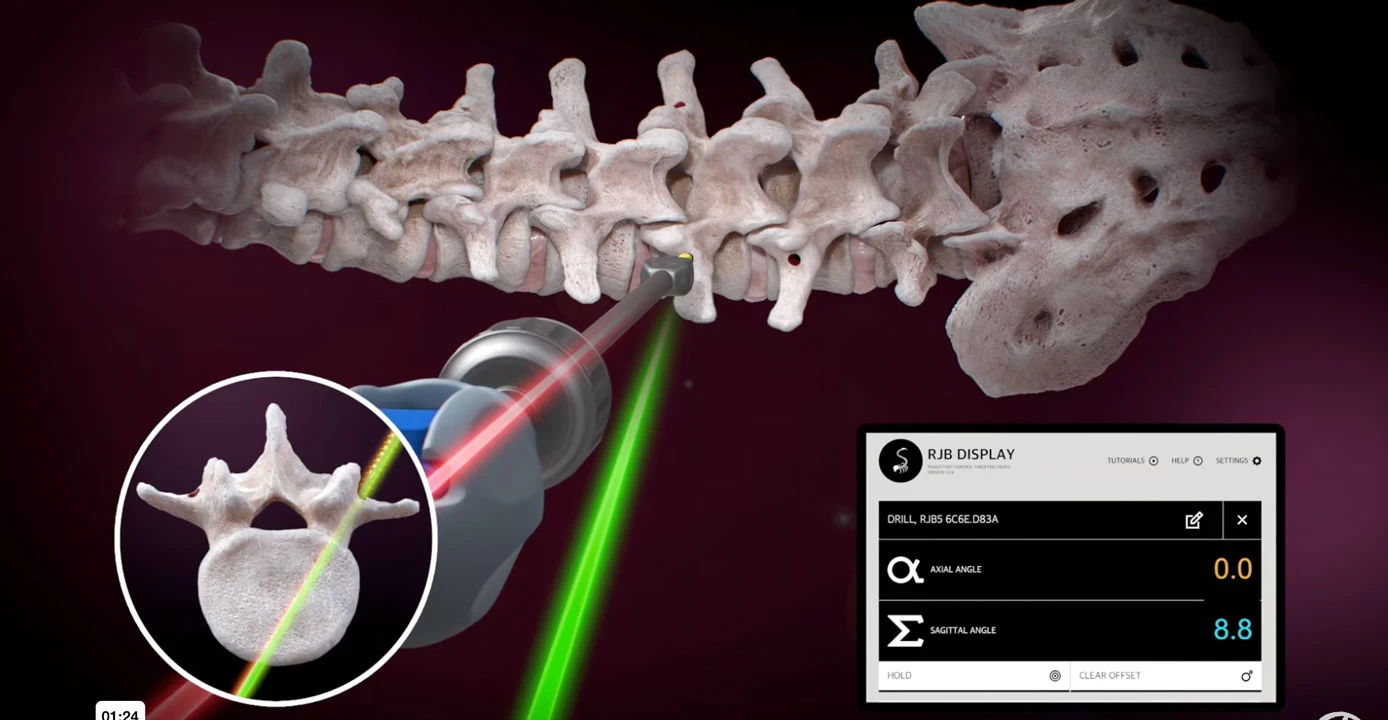
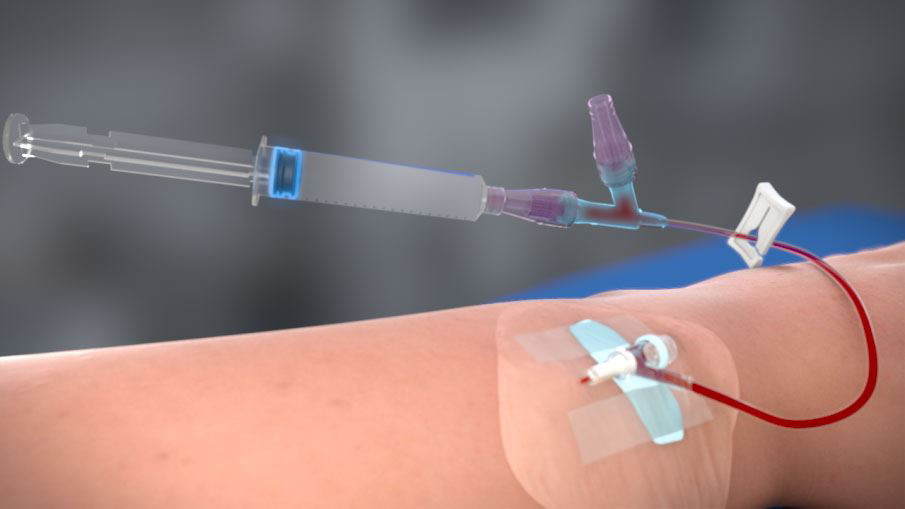

Wraith-VR Medical Virtual Reality is Powerful
Digital Medical Devices
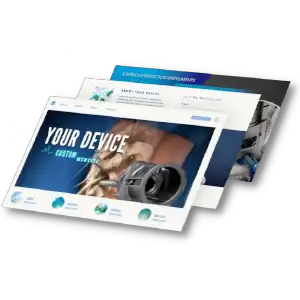
VR technology enables you to virtually place your products in the hands of any doctor via the cloud. Doctors can instantly try out your technology using their headset, allowing for a more personal experience, and greater product understanding.
Tissue Simulation
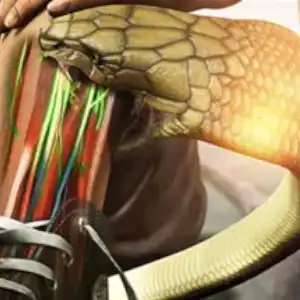
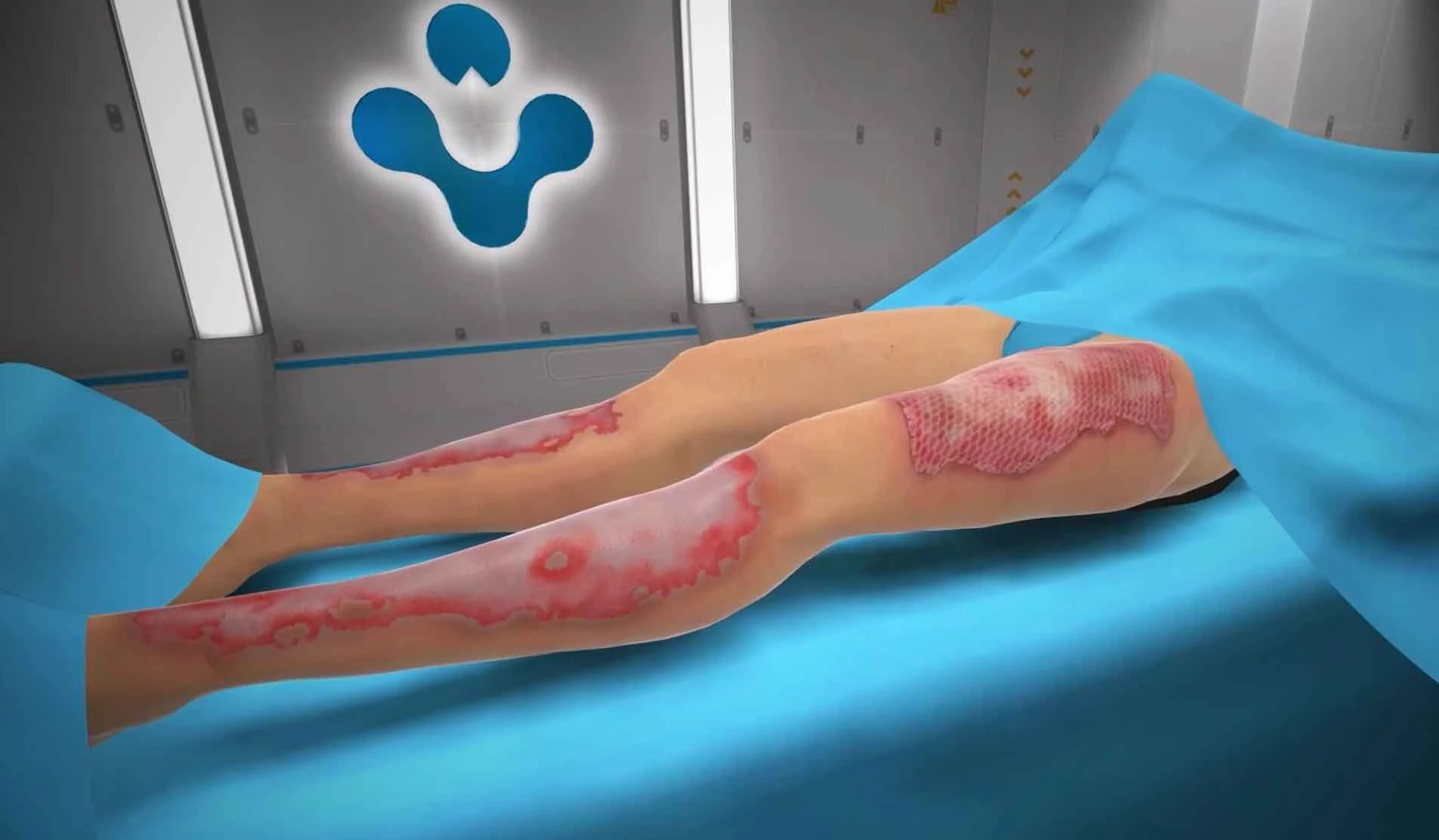
Our medical VR development platform is one of the few VR surgical simulation engines that can simulate soft tissues and skin. This allows doctors to increase their incision, cautery and suture skills allowing them to confidently perform in real life situations.
Surgical Simulation
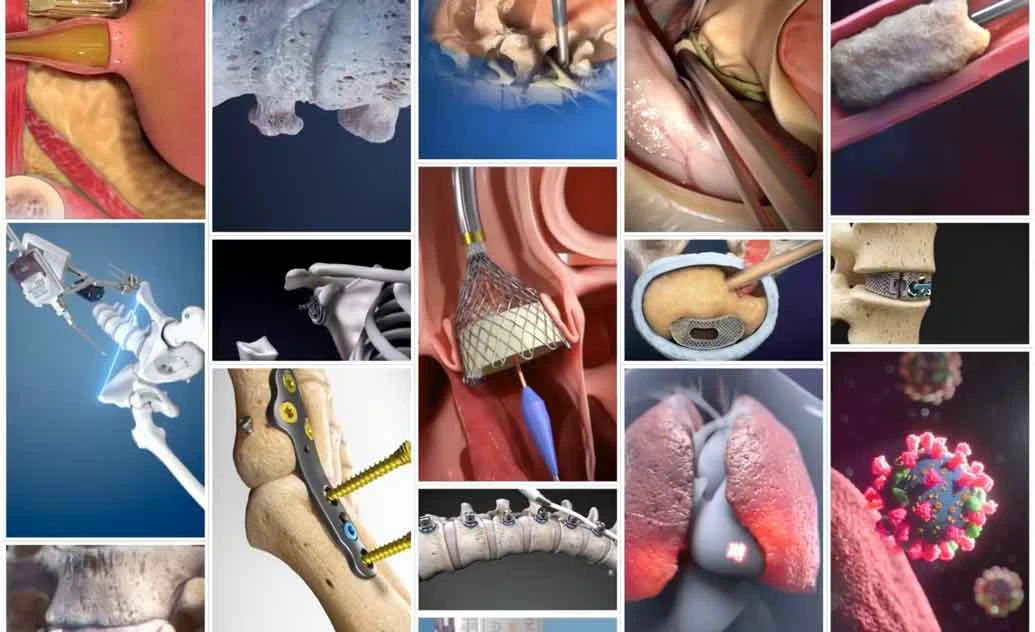
Immersive VR surgical simulations allow doctors to test drive various treatment options and refine a wide variety of medical skills.
Immersive E-Learning
Virtual reality allows automated remote training programs to go way beyond procedural instruction. Simulation based training programs can evaluate every user’s technique as well as their knowledge and record their qualifications to any cloud-based LMS.
Virtual Pathology
Only surgical VR training programs can allow physicians access to anatomy with unlimited practice opportunities with ideal pathologies. Doctors can now call up any number of physiological conditions & administer various treatments with no real-world risks. In VR, surgeons can make mistakes and learn from them without anyone ever getting hurt.
Virtual Telepresence
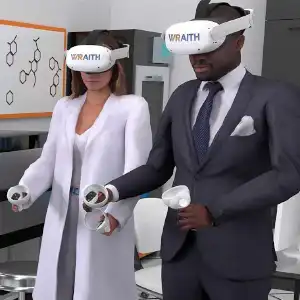
Doctors can now remotely collaborate with each other in the same virtual space. Surgical and trauma teams can train together and pharmaceutical and device reps can be teleport in to help out as well.
Robotic Surgical Simulator
Robotic assisted surgeries require a significant amount of training for a surgeon to become proficient. A virtual reality surgical simulator can provide unlimited training opportunities without requiring dedicated access to a multi-million dollar surgical robot.
How to use VR Surgery
Ghost Medical’s VR Surgery Guide will get your VR headset ready for VR surgery with detailed stepped instructions for all levels and familiarity with VR.
