









Understanding Hemostasis: The Body's Natural Process for Stopping Bleeding
Description
What is Hemostasis?
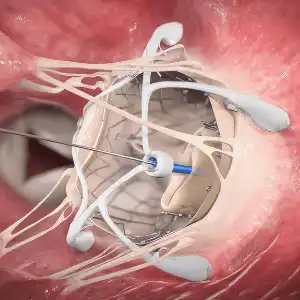
Hemostasis is the body’s critical defense mechanism that prevents excessive bleeding when blood vessels are injured. This natural process involves a series of well-orchestrated steps to form a clot, ultimately sealing the wound and stopping blood loss. Without effective hemostasis, even minor injuries could lead to life-threatening blood loss.
The Three Phases of Hemostasis
Hemostasis occurs in three overlapping phases:
Vascular Spasm
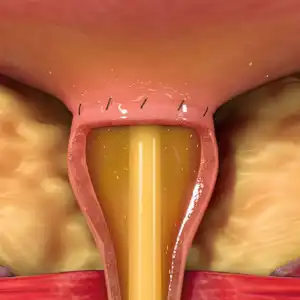
The first response to vessel injury is the immediate constriction of the blood vessel, known as a vascular spasm. This reduces blood flow and limits blood loss from the injured vessel. This phase is essential as it provides the time necessary for the other steps of hemostasis to initiate.
Platelet Plug Formation
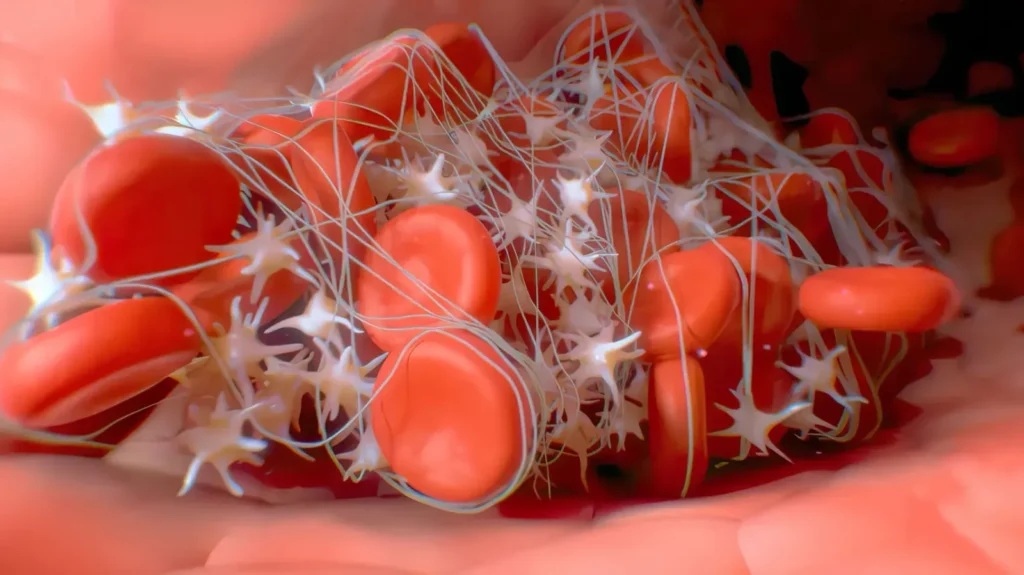
Platelets, tiny cell fragments in the blood, adhere to the exposed collagen fibers at the injury site. These platelets release chemical signals that attract more platelets to the site, forming a temporary “platelet plug.” This plug acts as a barrier to prevent further blood loss while the body prepares to form a more stable clot.
Coagulation
The coagulation phase involves a complex cascade of events that lead to the conversion of fibrinogen, a soluble plasma protein, into fibrin strands. These strands weave through the platelet plug, creating a stable clot. Coagulation factors, proteins in the blood, are essential for this process and are often activated in a sequence known as the coagulation cascade.
The Importance of Hemostasis
Hemostasis is not just vital for preventing blood loss; it also plays a role in wound healing. The clot formed during hemostasis not only stops bleeding but also provides a framework for new tissue to grow, leading to the eventual repair of the blood vessel and surrounding tissues.
Without efficient hemostasis, the risk of hemorrhage increases significantly, which can lead to severe complications or death. Moreover, disorders affecting the hemostatic process, such as hemophilia or thrombophilia, can lead to either excessive bleeding or clotting, respectively, both of which are life-threatening conditions that require careful management.
Hemostasis and Medical Innovations
Understanding hemostasis has led to significant advances in medical treatments. For instance, the development of anticoagulant drugs that manage clot formation in conditions like deep vein thrombosis, and innovations in surgical techniques to minimize blood loss during operations, all rely on the principles of hemostasis.
Conclusion
Hemostasis is a fundamental process that underscores the body’s ability to protect itself from bleeding. By understanding the phases of hemostasis and their importance, we can better appreciate how our bodies respond to injuries and the medical innovations that harness this knowledge to improve patient outcomes.
Specialty: Cardiology, Hematology, Patient Education · Content type: Medical Illustration · Produced by: Ghost Medical — Medical Illustration
Client

Instrumentation Laboratory
Share this content:
Disclaimer
The medical visualizations showcased by Ghost Medical are intended solely to demonstrate our portfolio work and are not intended to be labeled as reliable FDA claims in the healthcare market. Surgeons and healthcare professionals should exercise caution and conduct their own research before relying solely on the information presented in the visualizations. Please be aware that while our work strive to accurately represent medical concepts and technologies, they may not always reflect the current state of the medical industry.
Bibliography
Bibliography
Post Type
Blog
Page Name
Understanding Hemostasis
Author
Ghost Productions, Inc.
Publisher
Ghost Productions, Inc.
Date Published
Aug 29, 2024
Citation Styles
AMA Style
Ghost Productions, Inc. Understanding Hemostasis [Blog]. Ghost Productions, Inc. Published Aug 29, 2024. Available at https://ghostmedical.com/image/hemostasis/
APA Style
Ghost Productions, Inc. (Aug 29, 2024). Understanding Hemostasis [Blog]. Ghost Productions, Inc. Retrieved from https://ghostmedical.com/image/hemostasis/
MLA Style
Ghost Productions, Inc. “Understanding Hemostasis.” Ghost Productions, Inc., Aug 29, 2024, https://ghostmedical.com/image/hemostasis/. [Blog]